




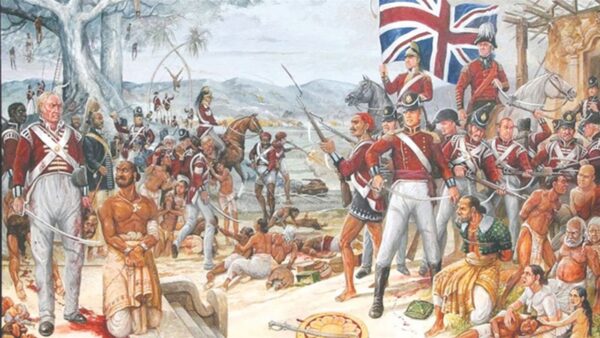
As children, we felt a chill of excitement when we heard how Ali Baba, a poor wood-cutter from the forest, found a treasure in a cave full of gold. It gave us goosebumps. Similarly, many other stories had such enticing thrill when the character of the novel or the movie suddenly finds abundant wealth. The story of the Sub-Continent is much similar and gives sequential resemblance. A colonizer, in long search of raw-material and wealth, suddenly finds a goose that lays golden eggs. It, with political and colonial acumen, colonizes the region.

In Search for Stability: The New Defence Agreement between Pakistan and Saudi Arabia
It is a geopolitical marriage. Every alliance, in history or in today’s world, carries its own theatre. Some are undoubtedly forged in blood, and others are a matter of necessity. The new defence pact signed on September 17 between Saudi Arabia and Pakistan belongs to the latter: necessity. Many, at the moment, are interpreting it as a geopolitical win for both countries. It is, yet, less a triumphal march than a calculated embrace—two countries embracing each other in one another’s shadow: one for security and the other for economic relief and relevance
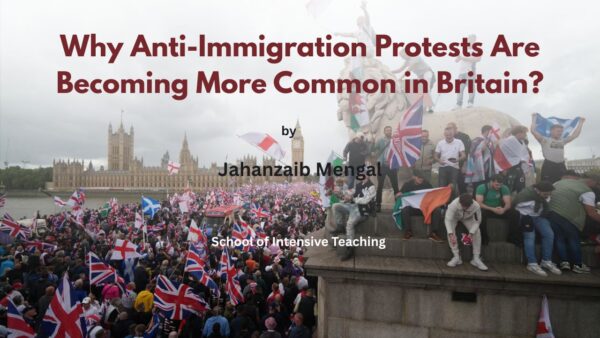
Why Anti-Immigration Protests Are Becoming More Common in Britain?
What makes a crowd of 15,000 chant the slogan of “Stop the boats” in the heart of London? Is it fear, anger, or the echo of a nation struggling to hold on to a sense of itself? The answer is harsher, the sense of losing their identity. This week, London witnessed a wave of anti-immigration protests—unearthing the underlying tensions in Britain. In central London, demonstrators united under the slogan of “Unite the Kingdom”, a call showing the polarizing debate of immigration. Organized and amplified by the far-right activist Tommy Robinson, the protesters divulged the deeper anxieties over migration and Britain’s long-standing relationship with newcomers.
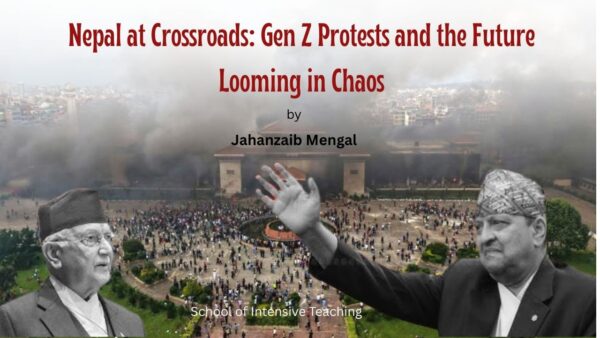
Nepal at Crossroads: Gen Z Protests and the Future Looming in Chaos
“There are decades when nothing happens and there are weeks when decades happen,” wrote Lenin—and Nepal feels like it is living in such a week. Nepal is currently at a crossroads. The PM has resigned from the office and has left his ailing wife behind; later, she was rescued by the protestors. The army chief has announced a curfew in the country and assumed control of the reins of power—at the time of writing. The situation raises some fundamental questions: Is Nepal back to square one?
Social Media and Infinite Scrolling
Once you pick up your phone to check a message, an hour vanishes. To check the message, you slide into social media. Five minutes later, you are watching a penguin sliding down an ice. Ten minutes later, you are giggling at the jokes of Kapil Sharma and Dr. Mashoor Gulati. Half an hour later, you are watching celebrities coming out of the gym and paparazzi running behind them. Once you realize you have wasted hours in the wildness of this content.
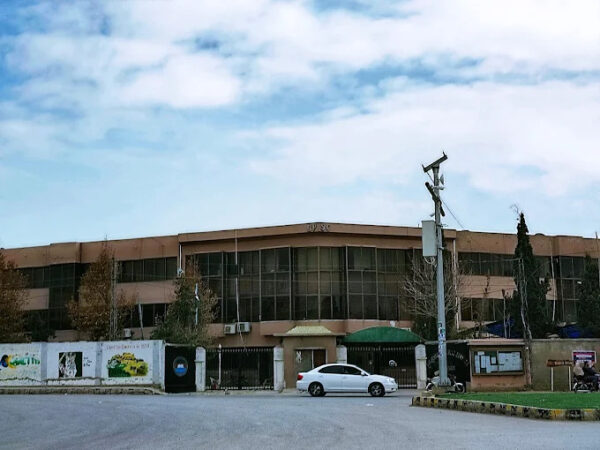
BPSC Can’t Be a Retirement Reward
BPSC will have a new Chairman in few days. There are rumours that IGP is contesting himself for the post. What are the implications if he is appointed as the Chairman of BPSC? Who appoints BPSC chairman and what is the process in other provinces especially KPK and Punjab? Jahanzaib Mengal delves deep into these questions and compares Balochistan’s selection process with other provinces. He also highlights critical reforms needed for BPSC.

Sometimes Peace Needs a Bomb: Iran Nuclear Bomb Debate
This article explores the Iran nuclear bomb debate and argues why a nuclear-armed Iran could bring strategic stability to the Middle East.
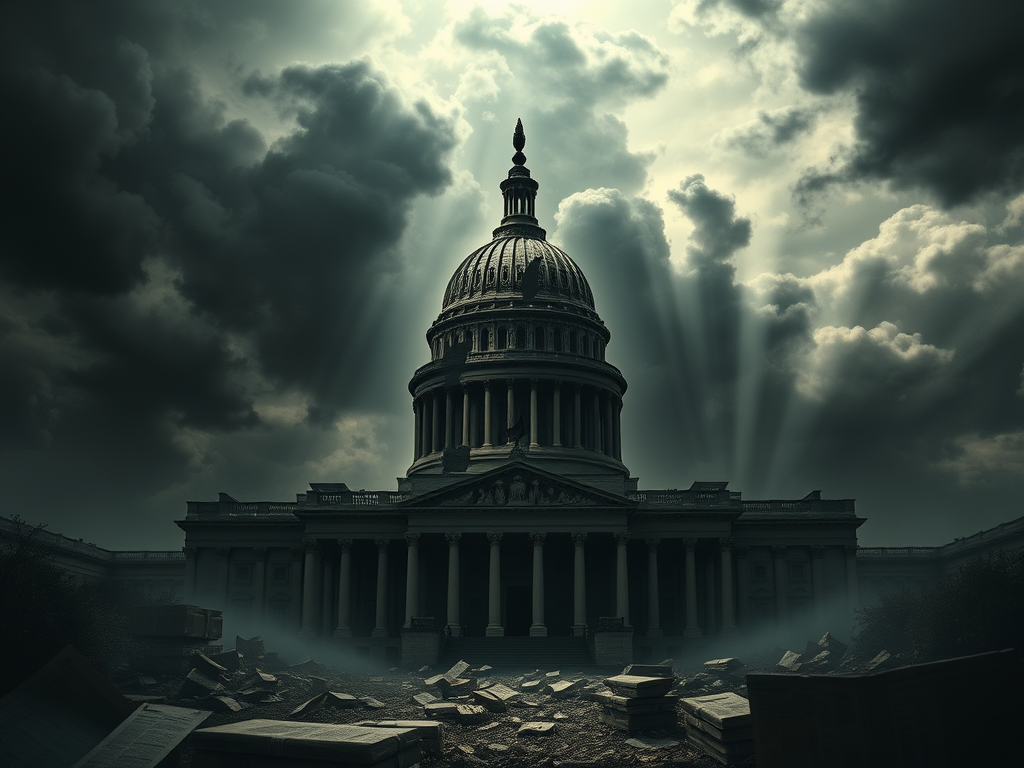
Review | How Democracies Die
“One of the great ironies of how democracies die is that the very defense of democracy is often used as a pretext for its subversion.” In 1930s, Germany was still a democracy where elections were held, newspapers continued to print news as usual, and parliament held its regular meetings. Yet, within a few years, one […]